Luxury Lifestyle Brands & Fashion: Top Picks and Smart Buys
What Luxury Lifestyle Means in 2026
Luxury has never been purely about price. At its core, a luxury lifestyle centers on craftsmanship, deliberate scarcity, and a level of service that extends well beyond the product itself. The brands that earn genuine authority in this space don't just sell objects — they sell access to a lineage.
Defining High End Lifestyle Brands
High end lifestyle brands distinguish themselves through three consistent pillars: materials sourced with precision, ateliers staffed by specialists who spend years mastering a single technique, and aftercare programs that treat the client relationship as ongoing rather than transactional. A Hermès saddle-stitched bag, for instance, takes roughly 18 hours of hand labor. That specificity is what separates heritage luxury from aspirational imitation.
Commercial Intent Signals and What Buyers Actually Want
Serious buyers in 2026 are shopping with an investment mindset. They want measurable long-term value — pieces that hold or appreciate on the secondary market — not just aesthetic pleasure. Evaluate any potential purchase across four touchpoints: the raw materials, the atelier's track record, the brand's aftercare infrastructure, and the depth of clienteling access it offers. Brands that excel on all four tend to reward patient buyers.
Quality, Heritage, and Experience
Heritage storytelling paired with modern innovation is the formula driving the most resilient luxury names right now. The experience — the boutique environment, the packaging ritual, the follow-up — is part of what you're paying for, and it's not trivial. Brands that strip that experience away to cut costs inevitably see it reflected in resale values within a few seasons.
Top Luxury Lifestyle Brands to Know
Louis Vuitton, Hermès, Cartier
The Louis Vuitton lifestyle proposition is built on travel heritage. The trunk atelier founded in 1854 gave rise to the iconic monogram canvas, and that narrative thread still runs through every product category — from rolling luggage to limited sneaker collaborations with contemporary artists. Collectibility and global recognition make it a logical anchor for any luxury wardrobe.
The Hermès lifestyle universe is broader than most people realize. Yes, the Birkin and Kelly bags dominate conversation, but Hermès also produces silk scarves hand-printed in Lyon, fine tableware, furniture, and equestrian equipment that traces directly to the brand's 1837 saddlery origins. Depth across categories gives it resilience that single-category houses simply can't match.
Cartier lifestyle jewelry and watches occupy their own tier. The Love bracelet, the Santos watch, the Panthère ring — these pieces carry instant recognition across every market. Design coherence over 175 years is rare, and Cartier has managed it without sacrificing contemporary relevance. For buyers weighing status signaling against timeless aesthetics, Cartier consistently delivers both.
Emerging Maisons and Niche Labels
Beyond the legacy giants, a wave of niche maisons is redefining what top luxury lifestyle brands look like. Smaller houses with tight production runs, direct-to-consumer relationships, and transparent sourcing are attracting buyers who want distinction over ubiquity. If you see the same bag on every block, scarcity is already gone — and with it, a meaningful slice of the luxury proposition.
Fashion Luxury Lifestyle: Apparel, Bags, and Jewelry
Lifestyle Luxury Fashion Staples
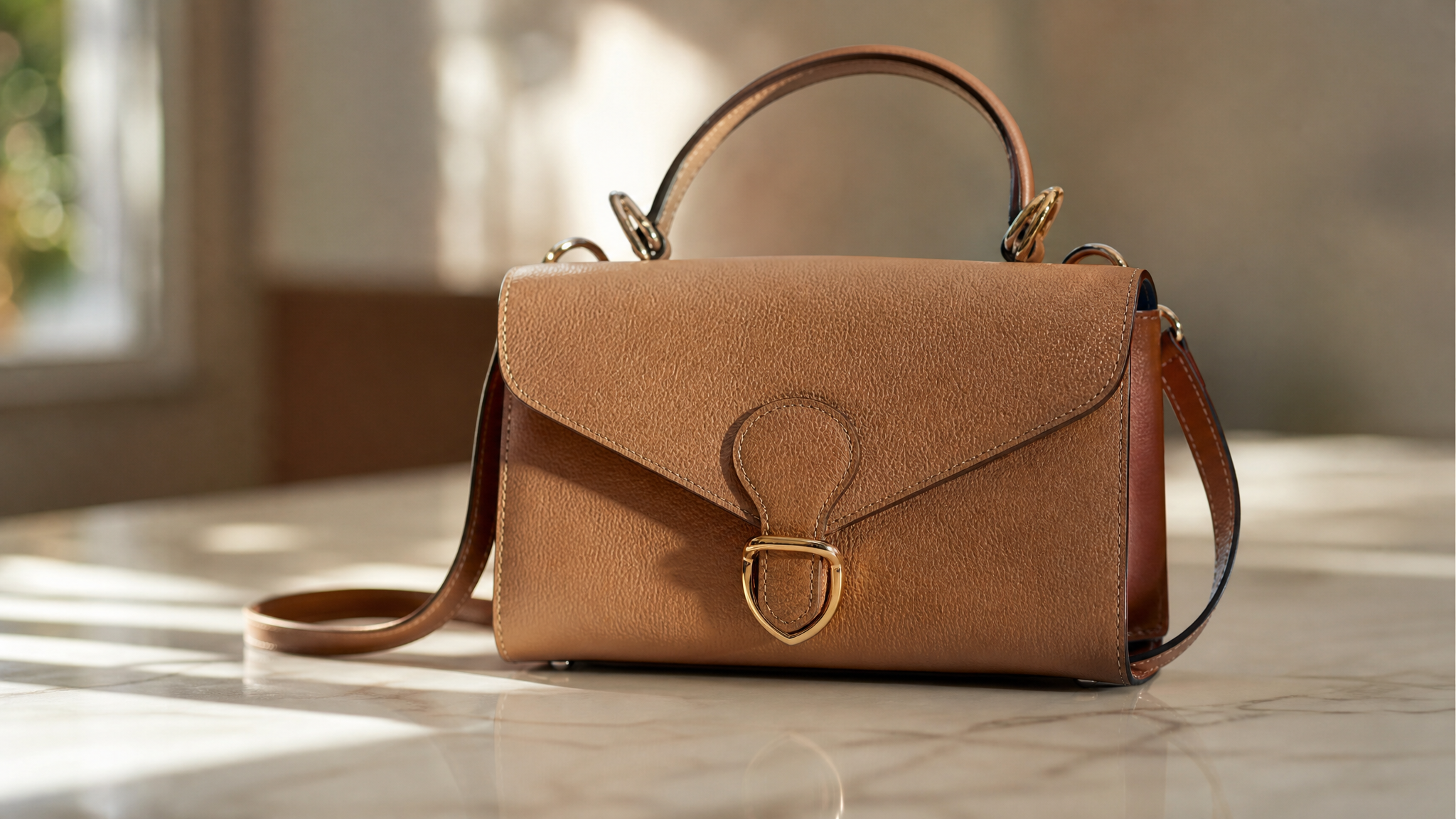
Building a fashion luxury lifestyle wardrobe isn't about accumulation. It's about selecting signature pieces — a structured bag in a neutral leather, a well-cut blazer from a house with strong tailoring heritage, a fine jewelry accent that transitions from desk to dinner — and letting those anchors do the heavy lifting. Evergreen silhouettes outperform trend pieces on cost-per-wear calculations every time.
Seasonal Drops and Collaborations
Limited capsule drops deserve attention, but approach them strategically. Secondary-market demand data is publicly available on platforms like StockX and Vestiaire Collective. Before committing to a collaboration piece at retail — or above retail — check the resale trajectory of the brand's previous drops. Strong demand curves justify the premium; flat or declining ones signal a trend play rather than a lasting asset.
Personalization and Made-to-Order
Personalization is increasingly a differentiator in lifestyle luxury fashion. Monogramming, bespoke color orders, and made-to-measure tailoring add a layer of ownership that off-the-shelf purchases can't replicate. For jewelry specifically, pieces like aerin lauder jewelry — known for elegant, wearable design — show how considered accents can elevate a look without overpowering it. Day-to-night versatility is a practical luxury that compounds over time.
Affordable Luxury Lifestyle Brands and Smart Entry Points
Entry-Level Icons
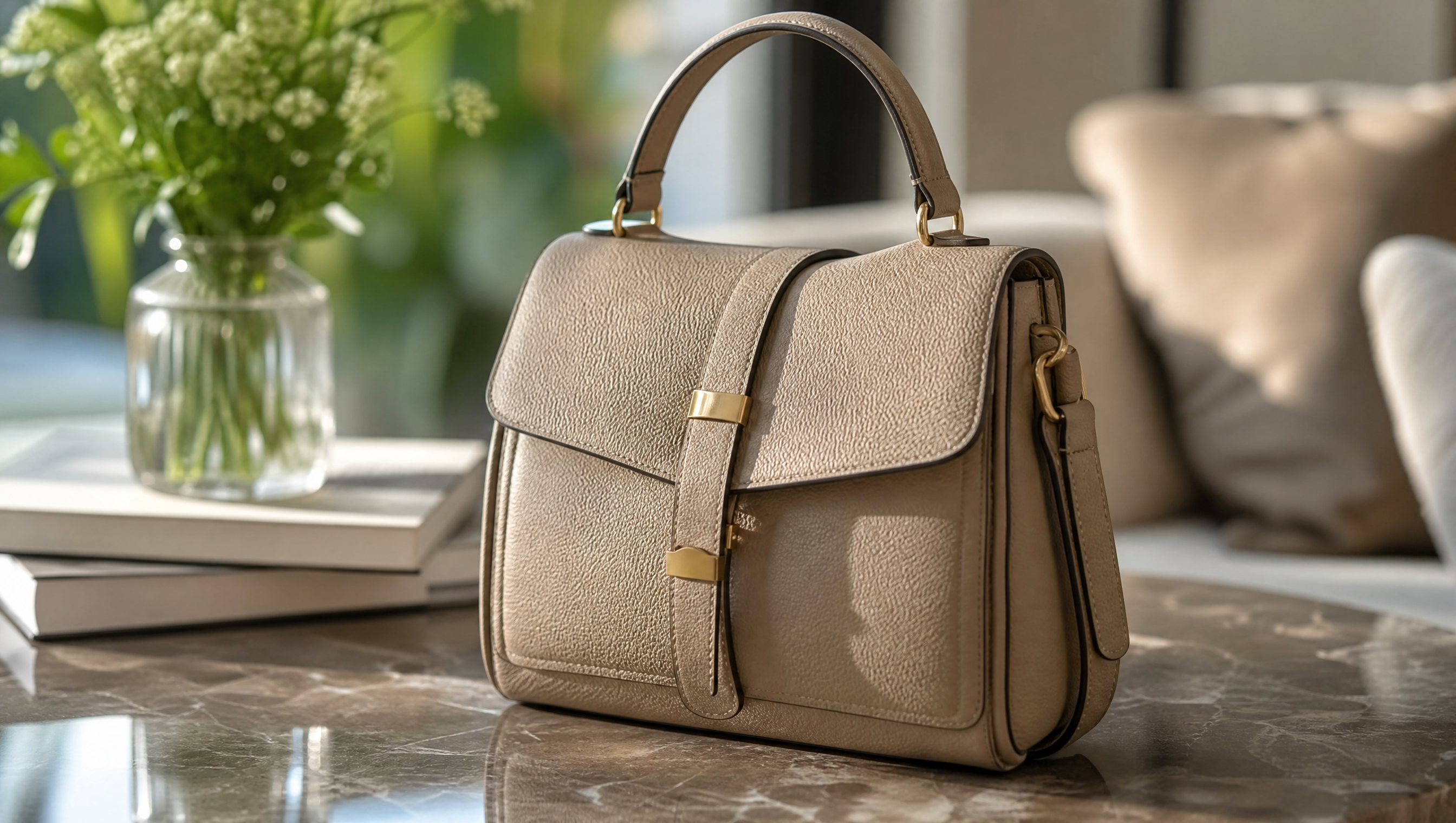
Not every first purchase needs to be a five-figure statement. Affordable luxury lifestyle brands offer genuine quality at accessible price points, and choosing the right entry item matters more than spending the most. Small leather goods — cardholders, key pouches, compact wallets — from houses like Loewe, Polène, or A.P.C. deliver craft and brand equity without the multi-month waitlist. Silk twill scarves from legacy houses hit a similar sweet spot: real heritage, real materials, real resale market.
Costume jewelry from reputable designers bridges the gap between fine jewelry and fast fashion meaningfully. Look for pieces with solid construction, thoughtful design, and a house name that carries weight — those criteria matter more than the metal content.
Value Retention vs. Trend
The smartest move any new luxury buyer can make is pulling resale data before purchasing. Pieces with steady secondary-market demand — classic silhouettes in neutral colors from houses with strong authentication ecosystems — protect capital far better than trend-forward items bought at seasonal markup. Balance logo-forward purchases with discreet essentials. A quiet, well-made leather belt outlasts a heavily branded crossbody in both style longevity and resale relevance.
Where to Shop: Boutiques, E‑Commerce, and Trusted Platforms
Flagships and Official Stores
Brand flagships remain the gold standard for verified assortments, gifting services, and clienteling relationships. The aerin lauder store, for example, offers a curated, refined shopping environment aligned with the brand's lifestyle aesthetic — the kind of environment that communicates the product's intent before you've touched a single item. Flagship visits also give you direct access to waitlists and made-to-order programs that aren't available online.
Authorized Online Retailers
Multi-brand curated platforms like Bregner Luxury & Lifestyle have carved out a credible space for buyers who want edited assortments across categories without navigating dozens of individual brand sites. The curation itself is part of the value — someone with genuine expertise has already filtered for quality and authenticity. Verify that any online retailer holds authorized retailer status for the brands it carries; that status is revocable and worth confirming.
When researching platforms such as lgy lifestyle luxury, apply due diligence: check authentication policies, return windows, and whether the platform provides certificates of authenticity or third-party verification. Reputation in the pre-owned market is hard-won and easy to lose — platforms with long track records tend to be safer bets.
Pre-Owned Marketplaces and Authentication
Pre-owned is no longer a compromise. It's often the smartest way to access sold-out pieces at or below original retail. Use third-party authentication services — Entrupy for leather goods, independent gemological labs for jewelry — and keep every receipt, certificate, and service record. Documentation is the difference between a piece that sells easily and one that stalls on the secondary market.
Building Your Luxury Fashion Lifestyle Strategy
Capsule Approach and Budgeting
Define your capsule before you spend a dollar. Map your actual occasions — work, travel, black-tie events, weekend leisure — and identify the gaps a luxury piece would fill authentically. A leather weekender serves a frequent traveler better than a status sneaker that rarely leaves the box. Blend two or three statement icons with versatile basics. Cost-per-wear math is unforgiving: a $4,000 bag worn 400 times costs $10 per use; a $600 trend piece worn six times costs $100.
Care, Service, and Resale Planning
A luxury fashion lifestyle requires maintenance. Schedule spa services for leather goods annually, condition structured bags seasonally, and bring fine jewelry in for professional inspection every 18 months. Stones loosen; clasps wear; leather dries. Catching issues early preserves both function and resale value.
Watch market cycles. Certain houses release price increases predictably — Chanel has raised prices multiple times per year in recent cycles — making pre-increase purchases a documented strategy among informed buyers. Time acquisitions with intention, and approach potential resales with the same data discipline you'd apply to any asset worth protecting.