
Luxury Lifestyle Online: Top Websites, TV, and Media Guide
What Luxury Lifestyle Means in Digital Media
Defining the Luxury Lifestyle Online
Luxury lifestyle in digital media is not a single vertical — it's an ecosystem. Fashion, travel, automotive, real estate, fine dining, wellness, and premium technology all live under the same umbrella, united by a commitment to quality over quantity and aspiration over accessibility. The luxury lifestyle consumer is not simply chasing price tags. They're after craftsmanship, scarcity, and access that most people never get.
Core Content Pillars
Digital formats have expanded dramatically. Websites still anchor the space, but newsletters, long-form video, podcasts, and social micro-content each serve a distinct purpose. A glossy feature on a watch atelier belongs on a well-edited site. A 90-second reel of a Maldives overwater villa performs differently but speaks to the same appetite. The channel varies; the editorial standard shouldn't.
Quality signals are easy to spot once you know what to look for: authoritative bylines, brand partnerships handled transparently, photography that earns its full-screen treatment, and a clear separation between editorial and advertising. Sites that blur those lines rarely hold up under scrutiny.
Who the Audience Is
The audience skews toward high-earning professionals, collectors, frequent travelers, and a growing cohort of aspirational readers who research extensively before buying anything. Search intent here is almost always informational first — people want guides, brand context, and curated lists before they open their wallets. That's why the best luxury content leads with expertise rather than urgency.
Top Luxury Lifestyle Websites to Bookmark
Editorial Leaders
The strongest sites in this space share a few qualities: experienced editors, original features, transparent sourcing, and a visual identity that reflects the brands they cover. Platforms like LuxuryLifestyle.com sit alongside category specialists covering watches, haute couture, and private aviation, each carving out authority in a specific lane. Breadth matters less than depth when you're researching a six-figure purchase or planning a bespoke itinerary.
When evaluating any new outlet, check the bylines first. Anonymous or rotating bylines with no credentials are a red flag. Look at photo credits, partnership disclosures, and whether advertorial content is clearly labeled. The top luxury lifestyle websites treat their readers as sophisticated adults who notice the difference.
Niche and Specialist Sites
Marquee names draw the most traffic, but niche outlets often deliver more granular value. A site dedicated entirely to independent watchmakers will outperform a general luxury portal on movement specifications and collector interviews every time. The same logic applies to wine, residential architecture, or superyacht brokerage. Build a reading list that mixes broad editorial with specialist depth.
How to Vet Sites
Beyond bylines and photography, check how frequently the site publishes original buying guides versus recycled press releases. Subscribe to newsletters — they reveal editorial rhythm and priority better than any homepage. RSS readers are underrated for tracking new features across multiple outlets without algorithm interference. Before making any significant purchase, compare guidance from at least three sources. Consensus from independent outlets carries more weight than a single glowing review.
Luxury Lifestyle TV and Streaming
Where to Watch
Luxury lifestyle TV has never been more accessible. Cable networks still air property and design programming with wide reach, but FAST channels and on-demand apps have added serious depth. Platforms hosting docuseries on yacht builds, atelier tours, and architectural restorations now compete directly with traditional broadcasters. The format that works best depends on your patience: a 22-minute cable episode on spec homes hits differently than a 90-minute streaming documentary on a Rolls-Royce commission.
Show Formats That Work
Long-form wins on craftsmanship. When a production has time to follow a master glassblower through a full commission, or track a classic car restoration across multiple episodes, the storytelling earns its audience. Collector profiles, behind-the-scenes brand films, and event recaps with access that money genuinely cannot buy — those formats justify streaming subscriptions. Short-form segments work for runway reviews and test drives, especially when chapters are marked so viewers can jump directly to the relevant section.
Viewing Tips
Follow official brand channels for premiere announcements. Several maisons now stream runway shows and auction previews live, which means you're watching in real time alongside buyers in Paris or Geneva. Enable captions for international productions — design and culinary content often features untranslated terminology that captions catch. Build a watchlist by category so architectural features don't compete with chef profiles in the same queue.
The Luxury Lifestyle Across Social and Video Platforms
Instagram and TikTok
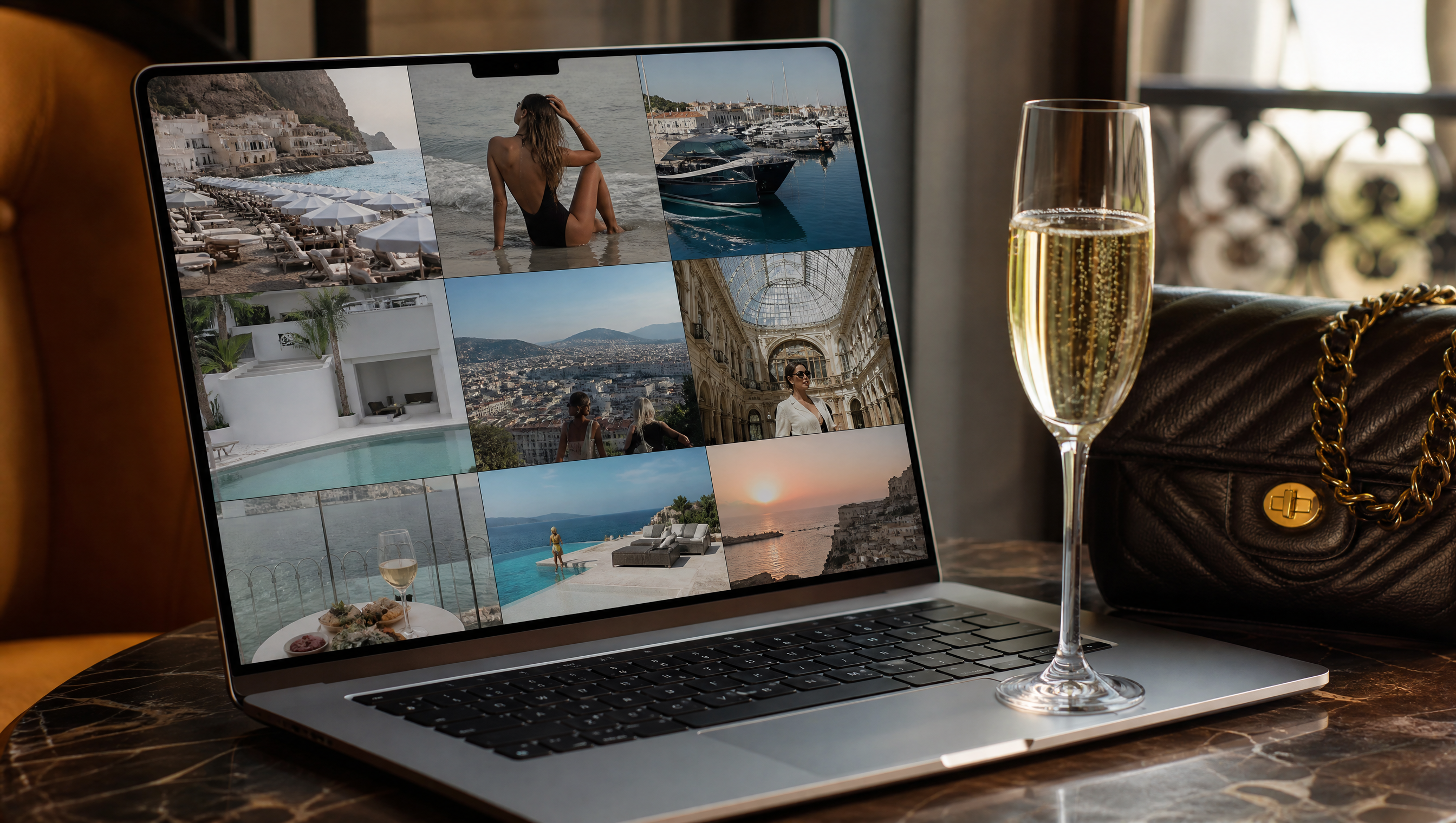
Both platforms reward visual immediacy, but quality still separates the signal from the noise. Prioritize creators who disclose partnerships clearly and write detailed captions rather than vague lifestyle copy. A creator who names the specific tailor, explains construction details, or gives accurate pricing context is more valuable than someone showcasing a logo. Follow sparingly — a curated list of 20 credible voices beats an algorithm-stuffed feed of 200.
YouTube and Podcasts
YouTube is where the luxury space gets analytical. Comparative watch reviews that run 40 minutes, "what to know before you buy" guides for sports cars, and provenance deep-dives on art collecting require the long-form format that short video can't support. Podcast audiences get something different again: designer interviews, insights from travel fixers, and commentary from auction house specialists who wouldn't summarize their views in 60 seconds. Together, the two formats cover both the visual and the conceptual dimensions of the luxury lifestyle.
Community and Credibility
Vet creators the same way you'd vet a publication. Consistency of output, comment moderation, and whether they engage substantively with questions all matter. Channels that disappear for months, ignore critical comments, or pivot suddenly from horology to fashion without explanation usually signal hype over expertise. Save and tag content by category — most platforms support this — to build a personal reference library that functions as a curated mood board over time.
Yearly Trends and Events: 2022 to 2023 and Beyond
Notable Shifts in 2022
Luxury lifestyle 2022 was defined by a turn inward. Quiet luxury — understated tailoring, neutral palettes, heritage-brand revivals — dominated both fashion coverage and interior design. Sustainable materials moved from press release language to actual product specifications, with provenance documentation becoming a legitimate differentiator. Buyers started asking harder questions about supply chains, and the better outlets reported on those answers rather than smoothing them over.
Highlights From 2023 Weekends and Fairs
The luxury lifestyle weekend 2023 calendar was dense. Collectible car gatherings drew serious crowds, resort fashion showcases extended beyond traditional fashion capitals, and culinary residencies from Michelin-recognized chefs sold out faster than most product drops. Auction houses recorded strong results in watches and contemporary art, reinforcing that the collectibles market was absorbing significant discretionary spending.
How to Track Upcoming Calendars
Official fair calendars from organizations like Art Basel, Watches & Wonders, and major concours d'élégance are the most reliable primary sources. Hospitality groups publish residency and event schedules seasonally. Set alerts for limited drops and capsule collaborations — these rarely get advance coverage, but brand newsletters and official social accounts telegraph them earlier than most third-party sites.
How to Evaluate and Curate Your Luxury Media Feed
Quality Checklist
Four criteria cut through the clutter: authority, depth, transparent sourcing, and minimal clickbait. Any outlet or creator who checks all four deserves a place in your feed. One who fails on sourcing or sensationalizes headlines to drive clicks probably isn't covering the luxury space honestly.
Building Your Sources
Mix broad editorial with niche specialists. A site covering the luxury lifestyle broadly might excel on travel and automotive but thin out on independent horology or gastronomy. Supplement it. Searches for top luxury lifestyle websites surface the marquee names; go two or three pages deeper for the specialists. The luxury lifestyle com properties and their equivalents in adjacent categories are starting points, not endpoints.
Staying Organized
Create folders or collections by category — fashion, watches, travel, autos, dining — and by season where relevant, since buying guides shift with the calendar. Review your sources quarterly. Remove outlets that have drifted toward volume over quality, and actively seek out emerging voices in categories you follow closely. A well-maintained media feed is not a passive thing. It reflects the same curation mindset that defines luxury itself.