

How to Optimize Your Airbnb Listing: A Step-by-Step Guide
Getting your Airbnb listing in front of the right guests is equal parts art and science. Strong photos matter. So does your title, your price, and how fast you respond to inquiries. Miss any one of these levers and you leave bookings on the table. This guide walks through seven concrete steps to sharpen every layer of your listing — from the first audit to ongoing iteration — so you can improve Airbnb ranking, lift conversions, and keep occupancy high year-round.
Step 1: Audit Your Current Airbnb Listing Performance
Gather Baseline Metrics
Before changing anything, know where you stand. Pull your views, click-through rate, conversion rate, and search ranking position directly from Airbnb Insights. These numbers are your benchmark for every optimization decision that follows.
Identify Gaps Versus Competitors
Search your own property as a guest would. Apply the filters a typical traveler uses — price range, specific amenities, minimum bedrooms — and see whether your listing appears or disappears. That exercise alone reveals which gaps are costing you visibility.
From there, study the top three to five competitors in your area. Compare their titles, lead photos, amenity lists, and nightly rates. Where are they consistently stronger? Note it down. Rank your gaps into quick wins (a missing amenity toggle, an unclear cleaning fee) and bigger projects (a full photo reshoot). Prioritizing this way keeps momentum going while you plan the heavier lifts.
Step 2: Craft a High-Converting Title and Description
Title Formula
Your title is prime real estate. A reliable formula: Unique Feature + Property Type + Location Hook. Something like "Rooftop Pool Condo | Walkable Midtown Nashville" tells a guest exactly what they're getting and why your location matters. That structure supports both Airbnb SEO and the Airbnb title and description best practices the platform rewards with higher placement.
Description Framework
The first 155 characters of your description carry the most weight — that's roughly what guests see before clicking "read more." Lead with your strongest unique value propositions: who the space is perfect for, the standout amenities, and the experience waiting for them. After that hook, break the body into scannable sections. Think Sleep, Work, Cook, Relax. Short paragraphs. Bullets where it makes sense. Guests skim; make it easy to absorb.
Keyword Placement
Work target phrases — Airbnb listing optimization, neighborhood landmarks, transit hubs — into the copy naturally. "Five-minute walk to the French Quarter" is far more useful to a guest (and to Airbnb's search algorithm) than a vague "great location." Don't stuff; just be specific.
Step 3: Upgrade Photos and Visual Hierarchy
Select a Compelling Hero Image
Your cover photo is the single biggest driver of click-through rate. Lead with whatever stops the scroll — a dramatic view, a standout design moment, a gorgeous outdoor space. Shoot in bright, natural light and make sure the composition is clean and professional.
Sequence Photos to Tell a Story
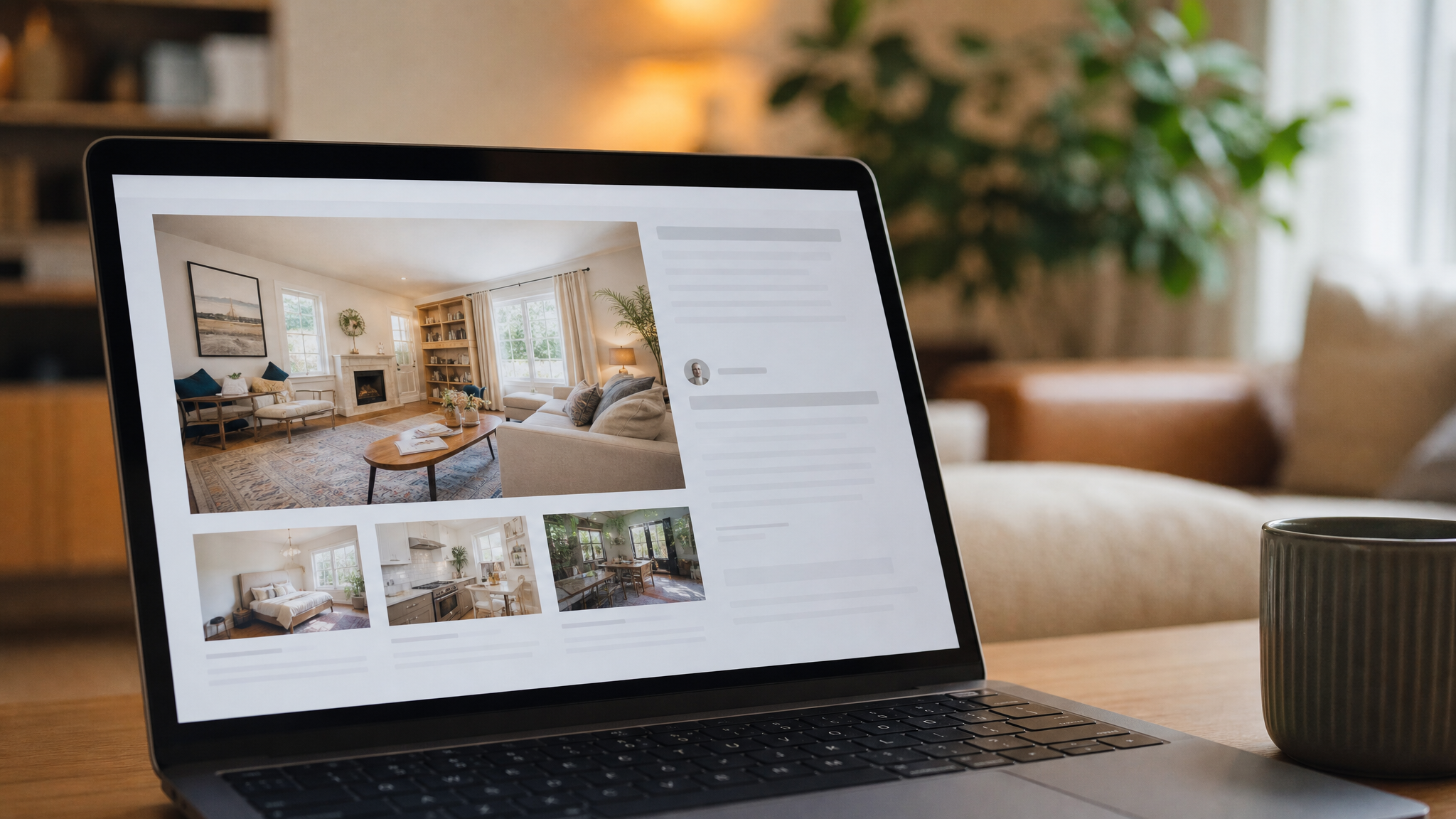
The first five photos should walk a guest through the full experience: hero shot, living area, primary bedroom, kitchen, bathroom. That sequence mirrors how travelers mentally evaluate a space and directly affects Airbnb ranking through improved CTR.
Beyond the first five, add captions that highlight specific upgrades ("king bed with Tuft & Needle mattress," "65-inch 4K TV"), dimensions, and standout amenities. If your layout is complex, include a floor plan or a labeled graphic. Guests who understand the space before booking are less likely to cancel — and cancellations hurt your ranking.
Step 4: Optimize Amenities, Policies, and Pricing
Complete Amenity Coverage
Every unticked amenity toggle is a potential filter exclusion. If you have a desk and fast Wi-Fi, check those boxes. If there's a crib or high chair in the closet, list them. These aren't just nice-to-haves; missing basics can remove you entirely from filtered searches. Completing your amenity list is one of the highest-ROI Airbnb listing tips with zero cost attached.
Work-from-home travelers are a large and growing segment. A dedicated workspace with reliable internet (aim for 100 Mbps or faster, and say so) will widen your appeal significantly.
Price to Win Search and Conversion
Set your base price using real competitor data, not guesswork. Then layer in weekly and monthly discounts — typically 10–20% — to attract longer stays that reduce turnover costs. Add last-minute deals for dates within a week to fill gaps rather than leave them dark.
Transparent fees matter just as much as the nightly rate. Spell out the cleaning fee, any additional guest charges, and check-in logistics upfront. Guests who feel surprised by hidden costs abandon the booking process; guests who feel informed convert.
Step 5: Strengthen Rank Signals and Conversion Triggers
Responsiveness and Booking Friction
Airbnb's algorithm rewards hosts who behave like reliable partners. Enable Instant Book wherever your comfort level allows. Reply to inquiries within minutes, not hours. Maintain a high acceptance rate. These aren't soft suggestions — they are documented Airbnb SEO signals that directly affect where you appear in search results.
Update your calendar daily and protect your cancellation record aggressively. Platform freshness metrics factor into ranking, and even a handful of host-initiated cancellations can drag your position down for weeks.
Reviews and Credibility
After each checkout, send a brief, personalized message thanking guests and gently prompting a review. Review velocity — how frequently new reviews come in — signals an active, trustworthy listing. When issues arise during a stay, address them immediately. A guest who had a problem solved fast often leaves a better review than one who had no problem at all.
Use slow periods to run pricing promotions or limited-time offers. Even a modest discount during a soft week can generate the bookings that sustain review momentum.
Step 6: Leverage Local SEO and Map-Based Relevance
Neighborhood Hooks
Guests don't just search for "2-bedroom apartment." They search for "apartment near Wrigley Field" or "cabin near Breckenridge ski resort." Reference specific landmarks, districts, and event venues in your description and captions, and include actual walk times and distances. "Eight-minute walk to the convention center" is a booking trigger for business travelers attending a conference.
Build a short local guidebook within your listing — curated restaurant picks, a favorite coffee shop, the best trail access point. It reinforces the sense that you know the neighborhood and care about the guest experience, which influences both saves and bookings.
Transport and Access Details
Spell out the transit options. Which subway line is nearest? Is there free street parking, or a paid garage? How far is the airport, and is there a rideshare pickup zone? These specifics reduce pre-booking questions, lower friction, and give guests confidence to book without a back-and-forth thread.
Align your photos seasonally where possible. Show beach gear storage in summer, ski racks or a cozy fireplace in winter. Matching visual cues to seasonal search intent improves relevance.
Step 7: Test, Measure, and Iterate
Lightweight A/B Tests
Change one variable at a time — a new title, a different hero photo, a shifted price band — and give it 14 to 30 days before evaluating. Changing multiple elements simultaneously makes it impossible to know what moved the needle.
KPI Cadence
Track the same four metrics you pulled in Step 1: views, CTR, conversion rate, and ranking position. Each one tells a different story. Flat views with low CTR point to a photo or title problem. Strong CTR with low conversion usually signals a pricing or description mismatch.
Document every test and its outcome. When a change clearly wins, roll that learning across any similar listings in your portfolio. Then re-audit the full listing every quarter — seasonality shifts, local competition evolves, and Airbnb regularly introduces new features and ranking factors. Staying current is how the best hosts maintain their edge.
Optimization isn't a one-time task. It's a system. Build the habit of measuring, testing, and refining, and your listing compounds value the same way a well-run business does.