
7 Essential Steps for a Short-Term Rental Cleaning Checklist
Running a short-term rental is a hospitality business, and guests judge it the moment they walk through the door. A single negative review mentioning a dirty bathroom or stained sheets can tank your rating for months. A reliable, repeatable cleaning process is what separates hosts who consistently earn five stars from those chasing damage control. These seven steps give you a structured short-term rental cleaning checklist that scales whether you manage one unit or twenty.
1. Standardize Supplies and STR Housekeeping Setup
What to Stock
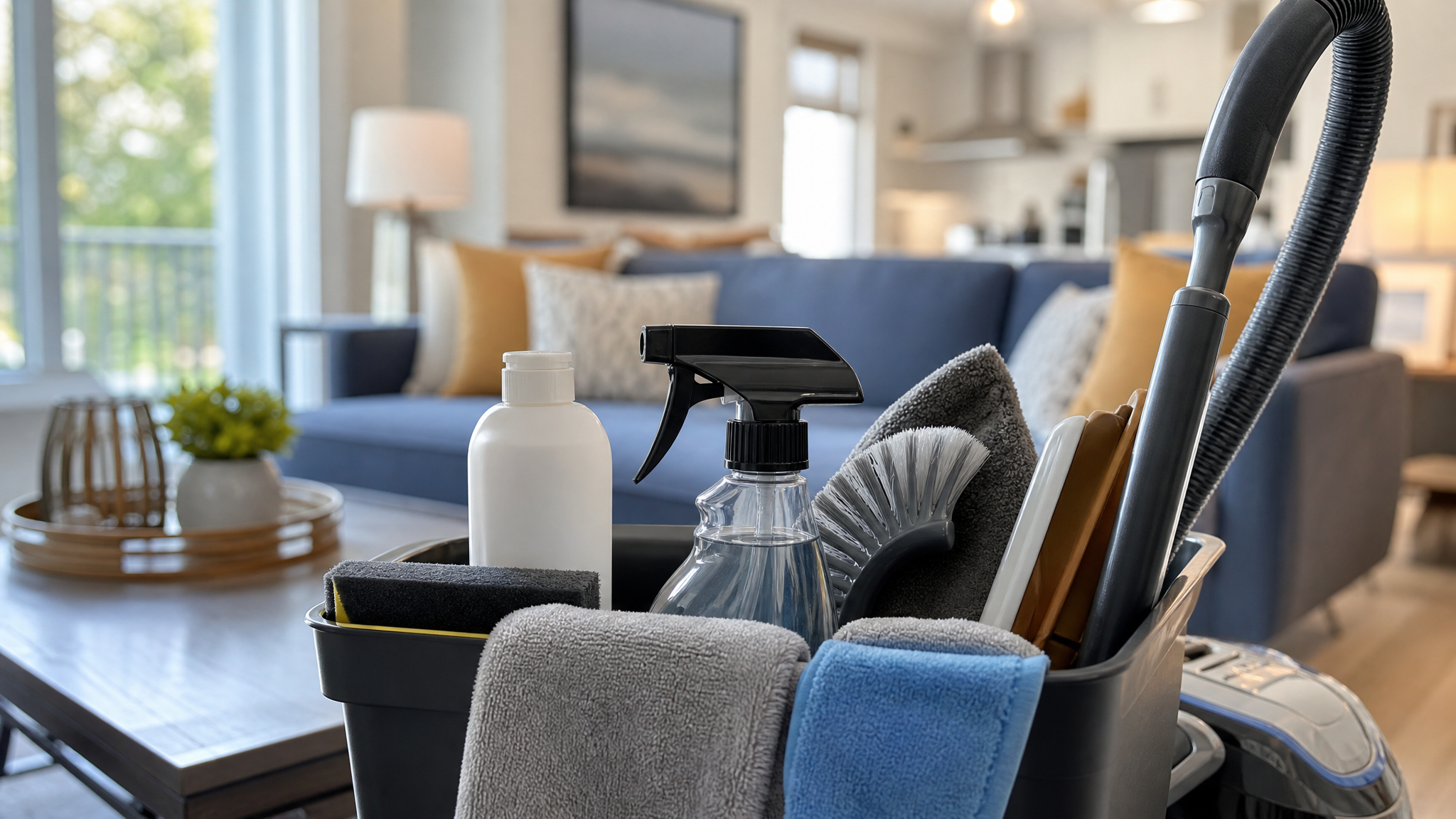
Consistency starts before you touch a surface. Build a portable caddy stocked with EPA-approved disinfectant, microfiber cloths in multiple colors, disposable gloves, a commercial mop, and a vacuum with HEPA filtration. Having everything in one carry-all means cleaners move efficiently and nothing gets forgotten between rooms.
Standards to Set
Post a printed or app-based cleaning checklist directly in the unit — inside a cabinet door works well. Label every storage area and set par levels for consumables: how many rolls of toilet paper, bars of soap, coffee pods, and trash liners should always be on hand. When you onboard new cleaners, use an Airbnb cleaning checklist template as a training document so expectations are explicit from day one, not assumed. STR housekeeping only runs smoothly when the system is documented, not stored in someone's memory.
2. Kitchen Deep Clean and Appliance Sanitation
Appliances
The kitchen accumulates the most evidence of previous guests. Start by emptying the refrigerator completely — discard any leftovers, then wipe down every shelf, the gaskets, and all handles with a food-safe disinfectant. Move to the stove and oven, degreasing burners and the interior. Sanitize the microwave, coffee maker, and kettle. Mineral buildup in a kettle or stale grounds in a coffee maker are the kinds of details guests notice and photograph.
Surfaces
Wash, dry, and physically count all dishes and cookware to catch anything broken or missing before the next guest reports it. Restock basics — salt, cooking oil, paper towels — so guests aren't hunting through empty cabinets. Finish by disinfecting every high-touch point: cabinet pulls, light switches, remotes, and the dining table surface. These spots transfer bacteria rapidly and are easy to overlook when you're focused on visible grime.
3. Bathroom Disinfection and Restock
Disinfection Steps
Bathrooms are non-negotiable. Cleaning between guests must follow a consistent protocol: disinfect the toilet bowl, seat, and tank exterior; scrub the sink and faucet; and fully clean the tub or shower, removing soap scum and hard-water spots from chrome and glass. Polish mirrors until streak-free. Empty the trash, fit a fresh liner, and apply a light, neutral deodorizer — avoid heavy floral sprays that can trigger allergies or signal that something is being masked.
Guest Amenities
Replace every towel and bath mat with fresh ones, even if the previous set looks clean. Restock toiletries to full levels and test the hair dryer. Small functional failures — a dryer that won't heat, a shampoo bottle that's nearly empty — generate the same guest frustration as major cleanliness issues.
4. Bedroom Reset and Linen Protocols
Linen Handling
Strip beds immediately and sort linens into separate laundry bags by type. Before remaking the bed, inspect mattress protectors and pillow covers for stains or damage. Color-coded linens make this easier: assign specific colors to queen beds, king beds, and sofa beds so inventory tracking becomes visual rather than manual. Log any stains or damages immediately — waiting until later means details get forgotten and you lose the ability to attribute wear accurately.
Reset Standards
Make beds hotel-tight. Guests pay premium rates and expect premium presentation. Stage pillows and throws deliberately, matching the listing photos exactly. Check under the bed and inside nightstands for items left by previous guests, then dust headboards and bedside lamps. These spots collect dust fast and are the first thing a light-sensitive guest will notice when they settle in.
5. Living Areas, Dusting, and Floor Care
Dusting Order
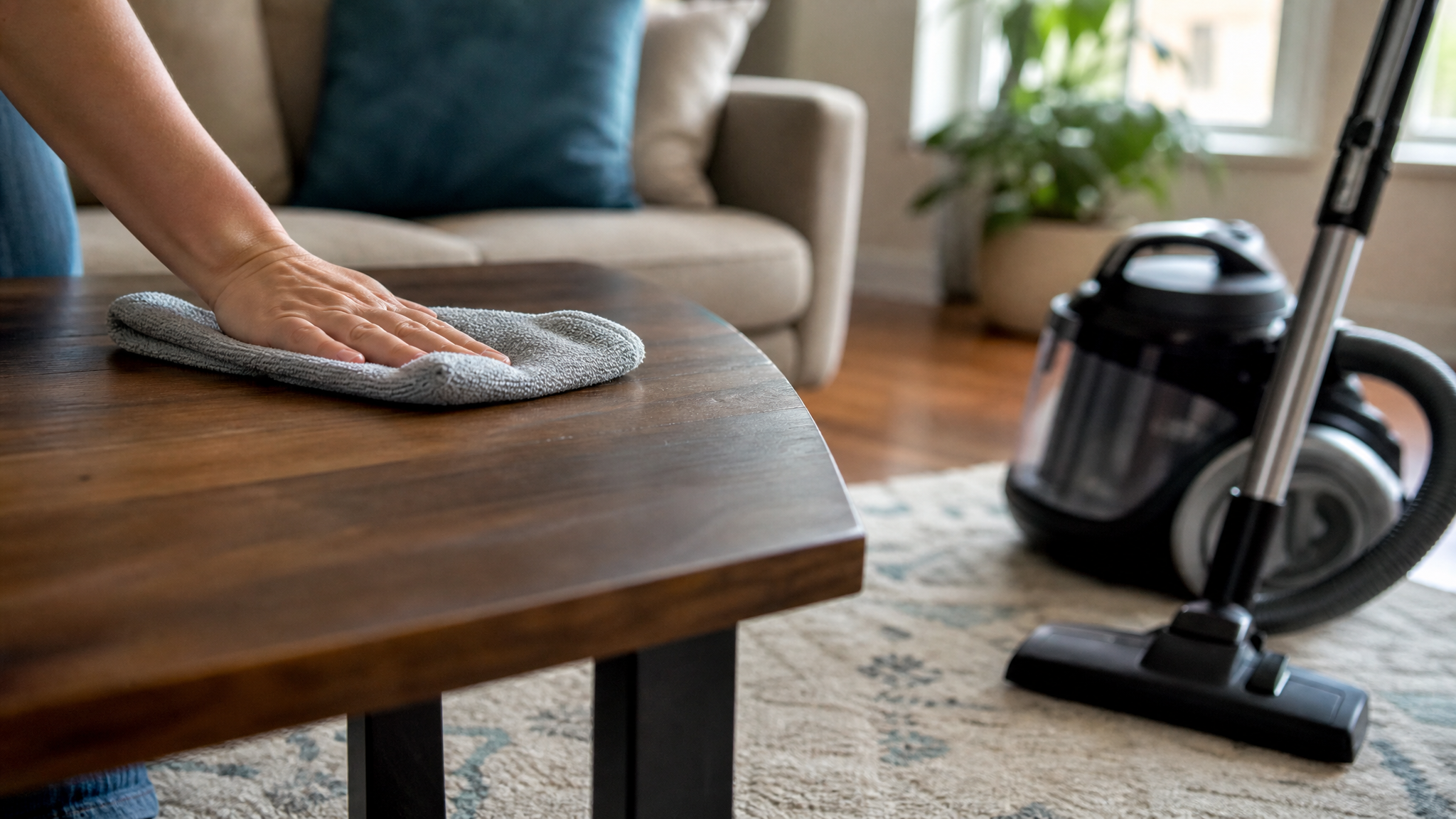
Always work high to low. Start with air vents and ceiling fan blades, move to window blinds and ledges, then picture frames and decorative objects. Dust falling onto an already-clean floor wastes time — doing it in the wrong order means cleaning surfaces twice.
Floor Care
Vacuum upholstered furniture and spot-clean any visible stains on sofas or chairs. Sanitize remotes, door handles, and stair railings — these are touched constantly and rarely cleaned thoroughly. For floors, sweep or vacuum first, then mop according to the floor type: hardwood needs a lightly dampened mop, while tile can handle a wetter pass. Pay attention to edges and corners where debris collects but vacuums often miss. Finally, arrange all furniture and decor to match the listing photos. Guests form their first impression from those images, and a room that looks noticeably different can erode trust before they've unpacked.
6. Laundry, Stain Removal, and Inventory Control
Process
Start laundry the moment you enter the unit. Washing and drying cycles take 45 to 90 minutes, and running them while you clean the rest of the space saves significant time during a tight vacation rental turnover window. Use the temperatures specified on fabric care labels — washing linens in water that's too cool won't sanitize them adequately, and too hot will shorten their lifespan. Treat stains immediately with an appropriate stain remover rather than running them straight through a wash cycle, which can set the stain permanently. Separate whites from colors, and clean the lint trap every single cycle.
Tracking
Count every piece — sheets, pillowcases, towels, washcloths — against your par level inventory. Catching a shortage now means you can restock before the next guest arrives, not scramble an hour before check-in. Track damages and excessive wear in a vacation rental turnover app or a simple shared spreadsheet. This data matters when you're calculating replacement costs and deciding whether to update inventory.
7. Final Walkthrough, Photos, and Turnover Readiness
Quality Control
The walkthrough is where you catch what the cleaning process missed. Move room by room using your short-term rental cleaning checklist on a mobile device rather than relying on memory. Check that every supply is fully stocked, every appliance is off or reset, and every surface passes a direct-light inspection — oblique lighting reveals streaks and missed dust that overhead lighting hides.
Guest-Ready Handoff
Stage welcome items: a printed house guide, a small welcome note, or a local amenity basket all contribute to the first impression. Set the thermostat to a comfortable arrival temperature, confirm that any smart lighting scenes are active, and verify that entry codes or lockbox combinations work correctly. Then take time-stamped photos or short video walkthroughs of each room. These serve two purposes: quality assurance documentation and dispute protection if a guest later claims damage that was pre-existing.
Before you leave, note any maintenance issues — a dripping faucet, a flickering bulb, a loose cabinet hinge — and confirm that consumable supplies are sufficient for the next vacation rental turnover. Cross-reference against your Airbnb cleaning checklist one final time. Leaving with confidence that the unit is genuinely guest-ready, not just visually tidy, is what protects your rating and your revenue.
A rigorous cleaning process is one of the highest-leverage investments a short-term rental host can make. Each of these seven steps reduces the chance of a complaint, a refund request, or a one-star review — and over time, that consistency compounds into a stronger listing, higher occupancy, and better guest loyalty.